
Wondering if is IPTV legal? Learn how IPTV works, legal vs illegal services, country-specific laws, risks, and how to stream safely worldwide.

Is IPTV Legal? Here’s the Short Answer
Yes—IPTV itself is legal. IPTV (Internet Protocol Television) is simply a technology used to deliver television over the internet instead of traditional cable or satellite.
What determines legality is how the content is licensed.
If an IPTV provider has permission to distribute TV channels, movies, sports, or on-demand content, the service is generally legal. If it streams copyrighted content without authorization, it may violate copyright laws.
This guide explains:
- What IPTV is
- How IPTV works
- Whether IPTV is legal
- How to identify is IPTV legal? providers
- Country-specific regulations
- Safety tips for users
- Common myths about IPTV
- Best practices for choosing a legitimate service
Whether you’re in the USA, UK, Canada, or another country, this guide will help you make informed decisions before subscribing to any IPTV service.
Choosing a licensed IPTV provider helps ensure reliable streaming, better picture quality, customer support, and compliance with copyright laws.
Television has evolved dramatically over the past decade. Traditional cable subscriptions are gradually giving way to internet-based streaming platforms that offer greater flexibility, better device compatibility, and personalized viewing experiences. One of the most talked-about technologies driving this shift is IPTV.
However, as IPTV becomes more popular, one question appears repeatedly:
Is IPTV legal?
The answer isn’t always straightforward.
Many people assume that IPTV is automatically illegal because they associate it with unauthorized streaming websites or inexpensive subscription services offering thousands of premium channels. In reality, is IPTV legal? is simply a delivery method. Like email or cloud storage, the technology itself is perfectly legitimate. The legality depends on whether the content provider owns or has licensed the rights to distribute the programming.
Understanding this distinction is important for anyone considering an IPTV subscription. Choosing the wrong provider could result in poor service quality, unexpected shutdowns, or legal complications depending on local copyright laws.
This guide is designed to provide a complete overview of IPTV legality from a practical perspective. You’ll learn:
- What IPTV actually is
- How IPTV delivers content
- Why some IPTV services are legal while others are not
- The risks of unauthorized IPTV services
- How to recognize legitimate providers
- What users in different countries should know
- Tips for streaming safely and responsibly
By the end of this article, you’ll have a clear understanding of how IPTV fits into today’s digital entertainment landscape and how to choose services that align with applicable copyright laws.
What Is IPTV?
IPTV (Internet Protocol Television) is a method of delivering television content over internet connections rather than through traditional cable networks, satellite signals, or terrestrial broadcasting.
Instead of receiving television channels through physical infrastructure such as coaxial cables or satellite dishes, IPTV streams digital content directly to compatible devices using broadband internet.
Users can watch live television, movies, TV series, documentaries, sports, and other media whenever they choose, depending on the features offered by their provider.
Unlike traditional broadcasting, is IPTV legal? gives viewers greater flexibility by allowing them to access entertainment across multiple devices from almost anywhere with a stable internet connection.
How IPTV Differs from Traditional TV
| Feature | IPTV | Traditional Cable/Satellite |
|---|---|---|
| Delivery Method | Internet | Cable or Satellite |
| Installation | Usually Simple | Often Requires Technician |
| Device Support | Multiple Devices | Primarily Television |
| On-Demand Content | Usually Available | Limited |
| Live TV | Yes | Yes |
| Catch-Up TV | Often Included | Limited |
| Viewing Flexibility | High | Moderate |
Common Types of IPTV Services
Live TV Streaming
Live is IPTV legal? allows viewers to watch television channels in real time, much like traditional cable or satellite services.
Examples include:
- News channels
- Sports broadcasts
- Entertainment channels
- International programming
- Children’s content
- Lifestyle channels
Video on Demand (VOD)
VOD libraries allow subscribers to choose movies or television shows whenever they want instead of following scheduled broadcasts.
Popular examples include:
- Movies
- TV series
- Documentaries
- Educational videos
- Special events
Catch-Up TV
Many IPTV platforms allow users to watch programs that aired earlier without recording them manually.
This feature is especially useful for:
- Busy professionals
- Students
- Sports fans
- International viewers in different time zones
Time-Shifted Television
Time-shifted IPTV enables viewers to pause, rewind, or replay live broadcasts.
Instead of missing part of a live program, users can continue watching from where they left off.
Examples of Legal IPTV Uses
Many globally recognized entertainment companies use IPTV technology to deliver licensed content.
Examples include:
- Internet TV packages from telecommunications providers
- Live television streaming services
- Educational streaming platforms
- Hotel entertainment systems
- Corporate video distribution
- Healthcare information channels
- University learning platforms
These services operate under proper licensing agreements and demonstrate that IPTV technology itself is widely accepted and legally used across many industries.
Is IPTV Legal?
This is the most important question—and the answer depends on the provider’s licensing, not the technology.
IPTV Technology Is Legal
is IPTV legal? is simply a way of delivering television through internet protocol networks. Governments, internet providers, telecom companies, educational institutions, hotels, and licensed streaming platforms all use IPTV technology every day.
Using IPTV technology does not violate copyright law by itself.
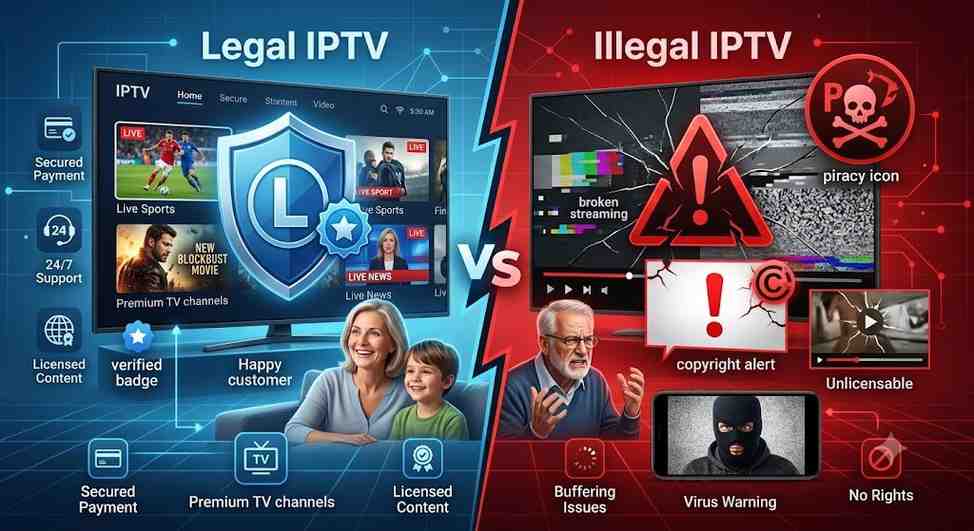
When IPTV Is Legal
A service is generally considered legal when it has the necessary rights or licenses to distribute the content it offers.
Examples include providers that:
- Pay broadcasters for distribution rights
- License movies and TV shows from studios
- Have agreements with sports organizations
- Operate under local broadcasting regulations
- Comply with copyright laws
Subscribers using these services are accessing content through authorized channels.
When IPTV May Be Illegal
Problems arise when a is IPTV legal? streams copyrighted content without obtaining permission from the copyright holders.
Warning signs may include:
- Thousands of premium channels for an unrealistically low monthly price
- Newly released movies available immediately without licensing
- Premium sports packages included at no additional cost
- No company information or customer support
- Anonymous payment methods only
- Lack of terms of service or privacy policy
- Frequent domain changes
Such services may violate copyright laws, and they are often subject to shutdowns or legal action by rights holders and authorities.
Common Misconceptions
Myth: IPTV Is Always Illegal
Reality: is IPTV legal? is a technology. Many licensed companies use it legally every day.
Myth: Cheap IPTV Is Always Illegal
Reality: Price alone doesn’t determine legality. However, prices that seem unrealistically low compared to licensed services should encourage users to verify whether the provider has proper distribution rights.
Myth: Watching IPTV Is the Same Everywhere
Reality: Copyright enforcement and broadcasting regulations vary by country. Users should always review local laws and choose providers that operate within applicable legal frameworks.
Why Is IPTV So Popular?
is IPTV legal? has transformed how people consume television by offering convenience, flexibility, and a broader range of viewing options than many traditional broadcasting methods.
Several factors have contributed to its rapid growth across the USA, UK, Canada, and many other regions.
1. Watch Anywhere
Users can enjoy content from:
- Smart TVs
- Smartphones
- Tablets
- Laptops
- Desktop computers
- Streaming devices
This flexibility allows entertainment to move beyond the living room.
2. Extensive Content Libraries
Many IPTV platforms combine:
- Live television
- Movies
- TV shows
- Sports
- International channels
- On-demand content
Having everything in one place is a major reason for is IPTV legal? growing popularity.
3. Flexible Viewing Experience
Unlike traditional TV schedules, IPTV often lets viewers:
- Pause live broadcasts
- Rewind programs
- Watch catch-up TV
- Access video on demand
These features give users greater control over how and when they watch content.
4. Growing Internet Speeds
The widespread availability of high-speed broadband and fiber internet has made high-definition and even 4K streaming more accessible than ever.
Improved internet infrastructure continues to support the expansion of IPTV services worldwide.
5. Demand for Personalized Entertainment
Modern viewers increasingly prefer services that allow them to choose what they watch instead of following fixed broadcast schedules.
is IPTV legal? platforms often include personalized recommendations, watchlists, and content libraries tailored to individual preferences.
Before subscribing to any is IPTV legal?, verify that it operates with proper licensing, offers transparent business information, and provides reliable customer support. A legitimate provider delivers a more dependable and secure viewing experience while respecting content creators’ rights.
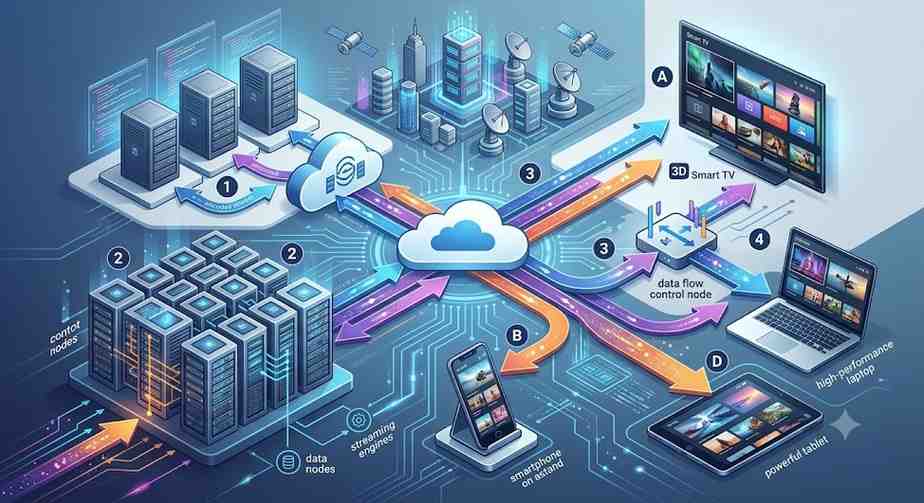
How Does IPTV Work?
Understanding how IPTV works makes it easier to identify the difference between legitimate and unauthorized services.
Unlike traditional television, which broadcasts all channels simultaneously through cable or satellite, IPTV sends only the content you request over an internet connection.
Step 1: Content Acquisition
Everything begins with content providers.
Licensed is IPTV legal? companies obtain broadcasting rights from:
- TV networks
- Movie studios
- Sports organizations
- News broadcasters
- Entertainment companies
These agreements allow the provider to legally distribute the content to subscribers.
Step 2: Content Encoding
Once content is acquired, it is converted into digital formats suitable for internet streaming.
During this stage, providers optimize video for:
- HD streaming
- Full HD
- 4K Ultra HD
- Adaptive bitrate streaming
- Different internet speeds
This ensures smooth playback across a wide range of devices.
Step 3: Content Storage
Live broadcasts are streamed in real time, while movies and TV shows are stored on secure servers.
These servers are designed to:
- Deliver content quickly
- Reduce buffering
- Support thousands of simultaneous viewers
- Maintain consistent video quality
Step 4: Internet Delivery
When a user selects a channel or movie, the is IPTV legal? sends the requested stream through the internet directly to the user’s device.
Instead of downloading the entire file first, the content is delivered continuously in small packets, allowing playback to begin almost immediately.
Step 5: Playback on Your Device
The is IPTV legal? application or compatible media player receives the stream and displays it on your screen.
Common playback devices include:
- Smart TVs
- Android TV boxes
- Amazon Fire TV devices
- Apple TV
- Smartphones
- Tablets
- Windows PCs
- macOS computers
Key Features of IPTV
A quality is IPTV legal? offers much more than simply watching live television.
Below are the most valuable features users should expect from a reputable provider.
Live Television Streaming
Live TV remains the core feature of IPTV.
Users can access:
- News
- Sports
- Entertainment
- Kids’ programming
- International channels
- Lifestyle networks
- Music channels
Many providers also include regional programming for different countries.
Video on Demand (VOD)
A large on-demand library allows users to watch content whenever they choose.
Typical VOD collections include:
- Movies
- TV series
- Documentaries
- Educational content
- Family entertainment
Unlike traditional TV schedules, viewers are free to watch at their convenience.
Catch-Up TV
Catch-Up TV enables users to replay recently aired programs without recording them in advance.
This is especially useful for:
- Busy professionals
- Students
- Sports enthusiasts
- Families in different time zones
Electronic Program Guide (EPG)
An EPG functions like a digital TV guide.
It displays:
- Current programs
- Upcoming shows
- Channel schedules
- Program descriptions
- Air times
This makes browsing channels much easier.
Multi-Device Support
Modern IPTV services are designed to work across multiple devices using the same account (subject to provider policies).
Supported devices often include:
- Smart TVs
- Android devices
- iPhones
- iPads
- Windows
- macOS
- Streaming sticks
- TV boxes
High-Definition Streaming
Many legal IPTV services support:
- HD
- Full HD
- 4K Ultra HD
- HDR (where available)
Video quality depends on both the provider and your internet connection.
Cloud-Based Access
Because is IPTV legal? is internet-based, users can often continue watching across different devices without losing their viewing history or preferences.
Regular Content Updates
Licensed providers continuously update their libraries by adding:
- New TV shows
- Latest movies
- Seasonal programming
- Sports events
- News coverage
Search and Personalization
Many is IPTV legal? platforms offer intelligent search features and personalized recommendations based on viewing habits.
This helps users discover new content more efficiently.
Feature Comparison Table
| Feature | Basic IPTV | Premium Licensed IPTV |
|---|---|---|
| Live TV | ✔ | ✔ |
| HD Streaming | Limited | ✔ |
| 4K Support | Sometimes | ✔ |
| Video on Demand | Limited | ✔ |
| Catch-Up TV | Sometimes | ✔ |
| Electronic Program Guide | Basic | Advanced |
| Multiple Devices | Limited | ✔ |
| Customer Support | Minimal | Dedicated |
| Regular Updates | Inconsistent | Frequent |
| Security | Varies | Strong |
Benefits of Choosing a Legal IPTV Service
Selecting a licensed IPTV provider offers advantages beyond simply staying within copyright regulations.
Reliable Streaming Quality
Legal providers invest in:
- Robust servers
- Content delivery networks (CDNs)
- Load balancing
- Professional infrastructure
The result is smoother playback and reduced buffering.
Better Customer Support
Licensed IPTV companies generally provide:
- Technical assistance
- Live chat
- Email support
- Setup guides
- FAQs
- Troubleshooting resources
This support is often unavailable with unauthorized services.
Consistent Service Availability
Illegal is IPTV legal? platforms may disappear without notice due to enforcement actions or operational issues.
Licensed services are typically more stable and dependable.
Higher Video Quality
Authorized providers often deliver:
- HD channels
- Full HD
- 4K streaming
- Dolby audio (where supported)
Because they operate with proper infrastructure, quality tends to be more consistent.
Enhanced Security
Legitimate IPTV providers are more likely to implement:
- Secure user authentication
- Encrypted connections
- Transparent privacy policies
- Trusted payment methods
These measures help protect user data.
Regular Software Updates
Licensed platforms continually improve their applications by introducing:
- Bug fixes
- Security enhancements
- New features
- Improved compatibility
This results in a better long-term experience.
Access Across Multiple Devices
Many subscriptions allow viewing on:
- Home televisions
- Mobile phones
- Tablets
- Laptops
Some providers also support synchronized viewing history across devices.
Compliance with Copyright Laws
Using a provider that has obtained the necessary rights supports:
- Content creators
- Broadcasters
- Sports organizations
- Film studios
- Television networks
It also reduces the likelihood of service interruptions caused by copyright disputes.
Why Choosing the Right IPTV Provider Matters
Not all is IPTV legal? deliver the same experience.
Choosing carefully can make a significant difference in reliability, security, and overall satisfaction.
Content Licensing
One of the first considerations should be whether the provider clearly explains its licensing arrangements or operates through recognized broadcasting partnerships.
Transparency is an important indicator of legitimacy.
Streaming Performance
Look for providers known for:
- Minimal buffering
- Fast channel switching
- Stable uptime
- Reliable servers
Performance often depends on the provider’s infrastructure.
Device Compatibility
A good IPTV service should work seamlessly across the devices you already own.
Check whether it supports:
- Smart TVs
- Android TV
- Apple TV
- Mobile devices
- Computers
Customer Support
Responsive support becomes especially valuable during:
- Initial setup
- Technical issues
- Account management
- Billing questions
Providers with multiple support channels generally offer a better customer experience.
Security and Privacy
Choose services that provide:
- Secure login systems
- HTTPS websites
- Transparent privacy policies
- Legitimate payment options
These features help safeguard personal information.
Reputation
Before subscribing, research:
- Independent reviews
- User feedback
- Industry reputation
- Years in operation
A strong track record often indicates better reliability.
How to Choose the Best IPTV Provider
Finding the right is IPTV legal? requires more than comparing prices.
Use the following checklist to evaluate potential providers.
Expert Tips Before Subscribing
- Compare several providers before making a decision.
- Read recent customer reviews from trusted sources.
- Check which devices are officially supported.
- Confirm internet speed recommendations.
- Understand subscription terms and renewal policies.
- Verify refund or cancellation options.
Mistakes to Avoid
Many users choose is IPTV legal? based solely on price.
Instead, avoid these common mistakes:
Choosing the Cheapest Provider
Extremely low pricing can sometimes indicate limited infrastructure or questionable licensing.
Ignoring Customer Support
Reliable assistance is valuable when problems arise.
Overlooking Device Compatibility
Always confirm that your preferred devices are supported before purchasing.
Not Reading the Terms of Service
Review cancellation policies, subscription terms, and privacy practices before creating an account.
Assuming All IPTV Services Are the Same
Providers vary significantly in:
- Reliability
- Content availability
- Features
- Support
- Security
- Overall quality
Careful research helps you choose a is IPTV legal? that best fits your needs.
Before committing to a subscription, compare features, supported devices, pricing, customer support, and licensing transparency. Spending a little extra time researching can lead to a much better streaming experience and greater peace of mind.
Best Features to Look For in an IPTV Service
Choosing an IPTV provider involves more than comparing channel counts. A high-quality service should deliver a reliable, secure, and user-friendly experience.
1. Licensed Content
Always prioritize providers that legally license the content they distribute. Licensed services are generally more reliable and less likely to experience unexpected interruptions.
2. High Video Quality
Look for providers that support:
- HD (720p)
- Full HD (1080p)
- 4K Ultra HD
- Adaptive bitrate streaming
Higher-quality streams provide a better viewing experience, especially on larger screens.
3. Stable Streaming Servers
Reliable servers help minimize:
- Buffering
- Freezing
- Channel loading delays
- Unexpected downtime
A provider with strong infrastructure usually delivers more consistent performance.
4. Electronic Program Guide (EPG)
A well-designed EPG allows you to:
- Browse channel schedules
- View program details
- Plan your viewing
- Navigate content easily
5. Video on Demand Library
Many users prefer is IPTV legal? that include a regularly updated library of:
- Movies
- TV series
- Documentaries
- Family content
A comprehensive VOD catalog adds significant value to a subscription.
6. Multi-Device Support
A modern IPTV service should work seamlessly across multiple devices, allowing you to enjoy content wherever you are.
7. User-Friendly Interface
An intuitive interface makes it easier to:
- Find channels
- Search content
- Manage favorites
- Access settings
- Navigate categories
8. Responsive Customer Support
Reliable support is essential for:
- Installation assistance
- Billing questions
- Technical troubleshooting
- Account management
9. Regular Updates
Choose providers that continuously improve their platform with:
- New features
- Security patches
- Performance enhancements
- Expanded content libraries
10. Privacy and Security
Look for services that offer:
- Secure login systems
- Encrypted connections
- Transparent privacy policies
- Trusted payment methods
Device Compatibility
One of is IPTV legal? greatest strengths is its flexibility across different devices and operating systems.
Device Compatibility Table
| Device | Supported | Notes |
|---|---|---|
| Smart TVs | ✅ Yes | Samsung, LG, Android TV and others |
| Android Phones | ✅ Yes | Via compatible IPTV apps |
| iPhone | ✅ Yes | Supports many IPTV players |
| Android Tablets | ✅ Yes | Portable streaming |
| iPad | ✅ Yes | Smooth playback |
| Windows PC | ✅ Yes | Desktop applications available |
| macOS | ✅ Yes | Supported by many players |
| Amazon Fire TV Stick | ✅ Yes | Popular streaming device |
| Android TV Box | ✅ Yes | Widely compatible |
| Apple TV | ✅ Yes | Supported by select IPTV apps |
| Chromecast | ✅ Yes | Cast content from supported apps |
| Web Browser | ✅ Yes | Some providers offer browser access |
Operating Systems
Most IPTV services support:
- Android
- Android TV
- iOS
- iPadOS
- Windows
- macOS
- Linux (limited support)
- tvOS
- Fire OS
Quick Compatibility Comparison
| Platform | Live TV | VOD | Catch-Up TV | EPG |
|---|---|---|---|---|
| Smart TV | ✅ | ✅ | ✅ | ✅ |
| Android | ✅ | ✅ | ✅ | ✅ |
| iPhone | ✅ | ✅ | ✅ | ✅ |
| Windows | ✅ | ✅ | ✅ | ✅ |
| Apple TV | ✅ | ✅ | ✅ | ✅ |
| Fire TV | ✅ | ✅ | ✅ | ✅ |
Regional Guide
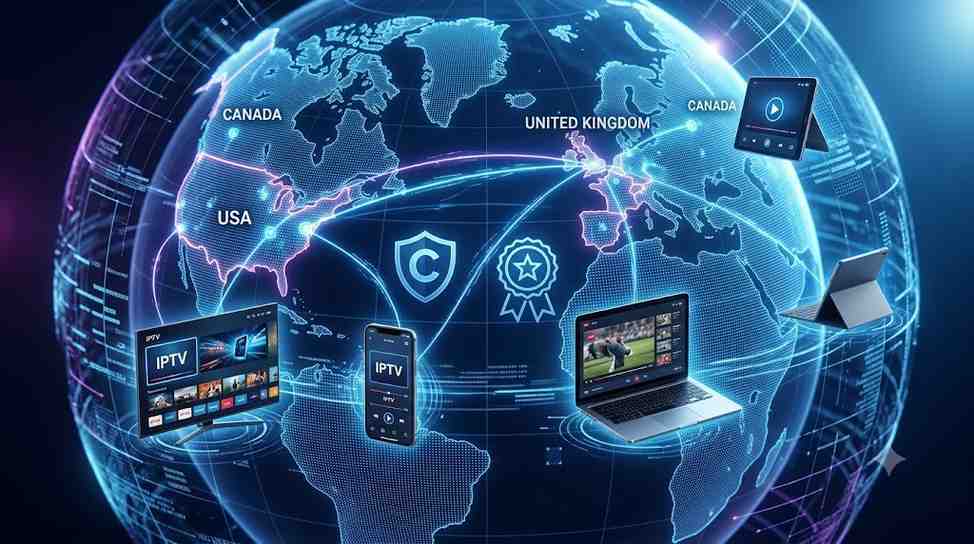
The legality and availability of is IPTV legal? vary by country. While IPTV technology itself is legal, copyright regulations and licensing requirements differ across regions.
IPTV in the United States (USA)
The United States has strong copyright enforcement. Licensed IPTV providers that have agreements with broadcasters and content owners are generally lawful.
What to Consider
- Choose providers with clear licensing information.
- Review subscription terms before purchasing.
- Avoid is IPTV legal? that promise premium content at unrealistically low prices.
IPTV in the United Kingdom (UK)
The UK also enforces copyright laws. Consumers should select providers that operate with proper broadcasting rights.
Best Practices
- Verify company transparency.
- Read customer reviews.
- Ensure the provider complies with local regulations.
IPTV in Canada
Canada offers several legitimate IPTV options through licensed broadcasters and telecommunications companies.
Tips
- Confirm the provider’s licensing.
- Check device compatibility.
- Understand the subscription agreement before signing up.
Pricing Guide
is IPTV legal? pricing depends on several factors, including the provider, available content, supported devices, and subscription length.
Typical IPTV Pricing
| Plan | Typical Monthly Cost | Suitable For |
|---|---|---|
| Basic | $5–$15 | Casual viewers |
| Standard | $15–$30 | Families and everyday users |
| Premium | $30–$60+ | Heavy users and advanced features |
| Annual Plans | Often discounted | Long-term subscribers |
Installation & Setup Guide
Setting up IPTV is usually straightforward, especially with a licensed provider.
Step 1: Choose a Reputable IPTV Provider
Research providers based on:
- Licensing transparency
- Features
- Device support
- Customer reviews
- Subscription options
Step 2: Create an Account
Register through the provider’s official website and choose the subscription plan that best fits your needs.
Step 3: Install a Compatible IPTV Application
Depending on your device, download an IPTV app recommended or supported by your provider.
Step 4: Sign In
Use the credentials or playlist information supplied by your IPTV provider to access your subscription.
Step 5: Configure Settings
Adjust preferences such as:
- Video quality
- Language
- Favorites
- Parental controls
- Subtitle settings
Step 6: Test Your Connection
Play several channels or on-demand titles to confirm:
- Smooth playback
- Good picture quality
- Stable audio
- Reliable internet performance
Common IPTV Problems & Solutions
Buffering
Possible Causes
- Slow internet connection
- Network congestion
- Server overload
Solutions
- Restart your router.
- Use a wired Ethernet connection when possible.
- Reduce other network activity.
- Lower the streaming resolution if needed.
Channels Not Loading
Possible Causes
- Temporary provider issues
- Expired subscription
- Incorrect login details
Solutions
- Verify your account status.
- Restart the application.
- Contact customer support if the issue persists.
Login Problems
Solutions
- Double-check your username and password.
- Reset your password if necessary.
- Ensure your subscription is active.
Poor Video Quality
Solutions
- Increase available internet bandwidth.
- Close background downloads.
- Select the highest supported resolution.
- Update your IPTV application.
Audio Sync Issues
Solutions
- Restart playback.
- Update the app.
- Try another channel to determine whether the issue is content-specific.
Safety & Best Practices
Following good security habits helps protect your personal information and improves your streaming experience.
Choose Licensed Providers
Selecting services with proper content licensing is one of the most important steps toward a reliable and compliant viewing experience.
Protect Your Account
Use:
- Strong passwords
- Two-factor authentication (if available)
- Unique login credentials
Keep Apps Updated
Regular updates often include:
- Security fixes
- Bug corrections
- Performance improvements
- New features
Use Secure Networks
Whenever possible:
- Stream over trusted home networks.
- Avoid logging in on public Wi-Fi without appropriate security precautions.
Read Privacy Policies
Understand:
- What information is collected
- How it is stored
- Whether it is shared with third parties
Transparent providers clearly explain their privacy practices.
Monitor Your Subscription
Review:
- Billing dates
- Renewal terms
- Payment history
- Account activity
This helps prevent unexpected charges.
Choosing a licensed, secure, and transparent IPTV provider offers better reliability, stronger privacy protections, and a more enjoyable streaming experience. Take time to compare providers, review their features, and select the one that best matches your entertainment needs.

Pros & Cons of IPTV
Every television delivery method has strengths and limitations. Understanding the advantages and disadvantages of IPTV helps you determine whether it’s the right choice for your entertainment needs.
Pros & Cons Comparison Table
| Pros | Cons |
|---|---|
| Flexible viewing from almost anywhere with an internet connection | Requires a stable internet connection |
| Supports multiple devices | Streaming quality depends on network speed |
| Access to live TV and on-demand content | Some features vary by provider |
| User-friendly interfaces | Device compatibility differs between services |
| Often includes catch-up TV and cloud features | Premium services may cost more than basic plans |
| Easy installation in most cases | Regional content restrictions may apply |
| High-definition and 4K streaming support | Licensing and content availability vary by country |
| Regular software and content updates | Users should research providers carefully |
Expert Tips for Choosing a Safe IPTV Service
Selecting the right IPTV provider requires careful evaluation rather than focusing only on price.
Verify Licensing Information
Choose providers that clearly explain how they distribute content or identify the broadcasting partners they work with.
Transparency is often a sign of a trustworthy service.
Read Independent Reviews
Look beyond promotional material and consider feedback from independent review websites and real users.
Pay attention to comments about:
- Streaming quality
- Customer support
- Reliability
- Billing practices
Compare Features
Before subscribing, compare:
- Live TV channels
- Video on Demand
- Catch-up TV
- Electronic Program Guide
- Supported devices
- Simultaneous streams
Consider Customer Support
Reliable providers usually offer:
- Email assistance
- Live chat
- Help centers
- Setup documentation
- Frequently Asked Questions
Good customer service becomes especially valuable if technical issues arise.
Review Subscription Terms
Understand:
- Billing cycles
- Renewal policies
- Refund options
- Cancellation procedures
Knowing these details helps avoid unexpected charges.
Protect Your Account
Maintain good online security by:
- Using strong passwords
- Updating your IPTV applications
- Keeping devices secure
- Monitoring account activity regularly
Frequently Asked Questions (FAQs)
1. Is IPTV legal?
Yes. IPTV technology itself is legal. The legality depends on whether the service has the appropriate rights or licenses to distribute the content it offers.
2. Is using IPTV illegal in the USA?
Using a licensed IPTV service is generally lawful. Users should ensure the provider has authorization to distribute the content being streamed.
3. Is IPTV legal in the UK?
Yes. IPTV is legal when content is provided through properly licensed services that comply with applicable copyright and broadcasting laws.
4. Is IPTV legal in Canada?
Yes. Canadians can access IPTV services offered by licensed broadcasters and telecommunications providers, as well as other authorized streaming platforms.
5. How can I identify a legitimate IPTV provider?
Look for providers that offer:
- Transparent company information
- Clear subscription terms
- Reliable customer support
- Secure payment methods
- Appropriate licensing or broadcasting partnerships where applicable
6. Is IPTV better than cable TV?
That depends on your preferences. IPTV often provides greater flexibility, while cable TV may offer a more traditional viewing experience and local channel availability.
7. Can I watch IPTV on multiple devices?
Many IPTV providers support multiple devices, although the number of simultaneous streams depends on the subscription plan.
8. What internet speed is recommended for IPTV?
General recommendations are:
- HD Streaming: 10–15 Mbps
- Full HD: 20 Mbps or higher
- 4K Streaming: 30–50 Mbps or more
Actual requirements vary by provider and video quality.
9. Why does IPTV buffer?
Buffering may result from:
- Slow internet speeds
- Wi-Fi interference
- Network congestion
- Temporary server issues
- Device performance limitations
10. Can I use IPTV while traveling?
Some IPTV services support viewing while traveling, but content availability may vary because of regional licensing agreements.
11. Is IPTV safe to use?
Licensed IPTV services that follow good security practices are generally safer than unverified providers. Always download apps from trusted sources and protect your account with strong passwords.
12. Does IPTV support live sports?
Many licensed IPTV providers include live sports channels, although available events depend on regional broadcasting rights.
13. Can IPTV replace traditional television?
For many households, IPTV can provide a complete entertainment solution. However, the best option depends on your viewing habits, internet connection, and desired content.
14. What devices support IPTV?
Most IPTV services work with:
- Smart TVs
- Android phones
- iPhones
- Tablets
- Windows PCs
- macOS computers
- Streaming devices
- Android TV boxes
15. What should I check before subscribing to an IPTV service?
Consider:
- Licensing transparency
- Device compatibility
- Customer support
- Streaming quality
- Pricing
- Reviews
- Subscription terms
- Security features
Before purchasing any IPTV subscription, compare providers carefully, verify their transparency, review supported devices, and select a service that matches your entertainment needs and complies with the laws applicable in your region.
Final Verdict
IPTV has transformed the way people watch television by delivering live channels and on-demand content over the internet. The technology itself is widely used across the broadcasting industry and is not inherently illegal. The key consideration is whether the service has the legal rights to distribute the content it provides.
When evaluating an IPTV provider, look beyond the number of channels or the monthly price. A trustworthy service should be transparent about its business practices, provide reliable customer support, offer strong security features, and deliver consistent streaming performance across your devices.
Taking the time to research providers, compare features, and understand your local regulations will help you make an informed decision and enjoy a safer, more dependable streaming experience.
Whether you’re in the United States, the United Kingdom, Canada, or another part of the world, choosing a reputable IPTV provider is the best way to enjoy internet-based television with confidence.