
Learn everything about IPTV with this complete IPTV guide. Discover how IPTV works, features, benefits, setup tips, device compatibility, and expert advice.
Introduction
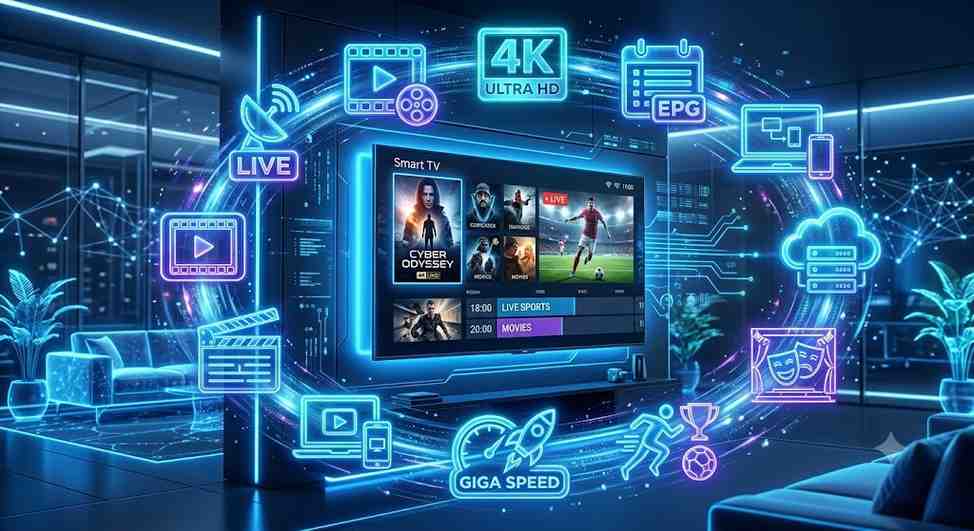
Television has evolved beyond traditional broadcasting. Instead of relying on cable lines or satellite dishes, IPTV delivers television content through an internet connection. This modern approach allows viewers to stream live channels, movies, TV shows, sports, and on-demand content across multiple devices.
Unlike conventional TV services, IPTV offers flexibility. You can watch your favorite programs on a Smart TV, smartphone, tablet, computer, or streaming device whenever and wherever you have a stable internet connection.
The growing popularity of IPTV is driven by several factors:
- Faster internet speeds worldwide
- Increased demand for on-demand entertainment
- Affordable streaming options
- Multi-device viewing
- High-definition and 4K streaming capabilities
This IPTV guide is designed for beginners as well as experienced streamers who want a better understanding of IPTV technology.
What Is an IPTV Guide?
An IPTV guide is a comprehensive resource that helps users understand Internet Protocol Television (IPTV), including how it works, what equipment is required, how to choose a provider, common streaming issues, security considerations, and best practices for getting the most from IPTV services.
Think of it as a roadmap for navigating the iptv guide ecosystem. Rather than focusing on one provider or app, an IPTV guide explains the technology, terminology, setup process, and decision-making factors that help users stream content effectively.
What Is IPTV?
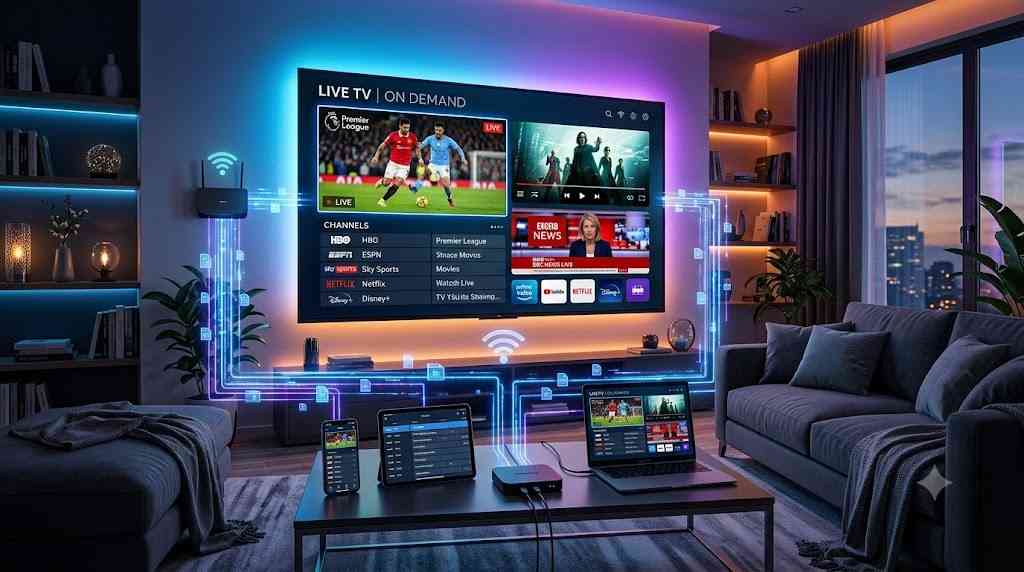
IPTV stands for Internet Protocol Television.
Instead of receiving television through cable infrastructure or satellite signals, IPTV uses internet protocols to deliver video content directly to compatible devices.
Content is streamed through broadband internet, allowing viewers to watch television almost anywhere with a stable connection.
Traditional TV vs IPTV
| Feature | Traditional TV | IPTV |
|---|---|---|
| Delivery Method | Cable or Satellite | Internet |
| Installation | Cable Box or Satellite Dish | Internet Connection |
| On-Demand Content | Limited | Extensive |
| Device Support | Television Only | Multiple Devices |
| Portability | Low | High |
| Interactive Features | Basic | Advanced |
The Three Main Types of IPTV Services
Understanding the different types of iptv guide content helps you choose a service that matches your viewing habits.
1. Live Television
Live iptv guide allows users to stream television channels in real time, similar to traditional cable TV.
Examples include:
- News broadcasts
- Sports events
- Entertainment channels
- Children’s programming
- International channels
This is ideal for viewers who enjoy watching scheduled programming or live events.
2. Video on Demand (VOD)
Video on Demand gives users the freedom to watch content whenever they choose instead of following a broadcast schedule.
Popular VOD content includes:
- Movies
- TV series
- Documentaries
- Educational content
- Family entertainment
This flexibility makes iptv guide attractive to users with busy schedules.
3. Time-Shifted Television
Time-shifted TV lets users watch previously aired programs after the original broadcast.
Common examples include:
- Catch-up TV
- Replay features
- Recorded live broadcasts
These features help ensure you never miss your favorite shows.
Example: How IPTV Fits Everyday Life
Imagine you enjoy watching live football on weekends, binge-watching TV series during the week, and catching up on missed news broadcasts in the evening.
Instead of paying for separate services, iptv guide can combine these viewing habits into one platform—provided the service offers the content you’re looking for and complies with local laws and licensing.
Why Is IPTV Popular?
The rapid growth of IPTV is driven by changing viewer preferences and advances in internet technology.
1. Faster Internet Speeds
High-speed broadband and fiber internet have made HD, Full HD, and even 4K streaming more accessible than ever. This enables iptv guide to deliver smooth, high-quality video with minimal buffering when network conditions are good.
2. Greater Flexibility
Unlike traditional television, iptv guide isn’t tied to a single television set. You can watch content on a range of devices, whether you’re at home or traveling.
Popular compatible devices include:
- Smart TVs
- Android TV boxes
- Amazon Fire TV devices
- Apple TV
- Smartphones
- Tablets
- Laptops
- Desktop computers
3. On-Demand Viewing
Modern viewers prefer watching what they want, when they want. iptv guide supports this trend by offering extensive libraries of movies and TV shows that can be accessed at any time.
4. Multi-Device Access
Many IPTV platforms support viewing across multiple devices, making it easier for households to enjoy different content simultaneously, depending on the provider’s subscription terms.
5. Improved User Experience
Today’s IPTV platforms often include modern features such as:
- Electronic Program Guides (EPG)
- Search functionality
- Personalized favorites
- Continue Watching options
- Multi-screen support
- Subtitle selection
- Multiple audio languages
These features create a more convenient and customizable viewing experience.
6. Growth of Smart Home Entertainment
As Smart TVs and connected devices become more common, iptv guide naturally fits into modern home entertainment systems, offering seamless integration with internet-connected hardware.
7. Global Content Access
Many iptv guide access to content from multiple countries, making it easier for viewers to watch international news, sports, movies, and cultural programming.
This is especially valuable for expatriates, multilingual households, and people interested in global entertainment.
How Does IPTV Work?
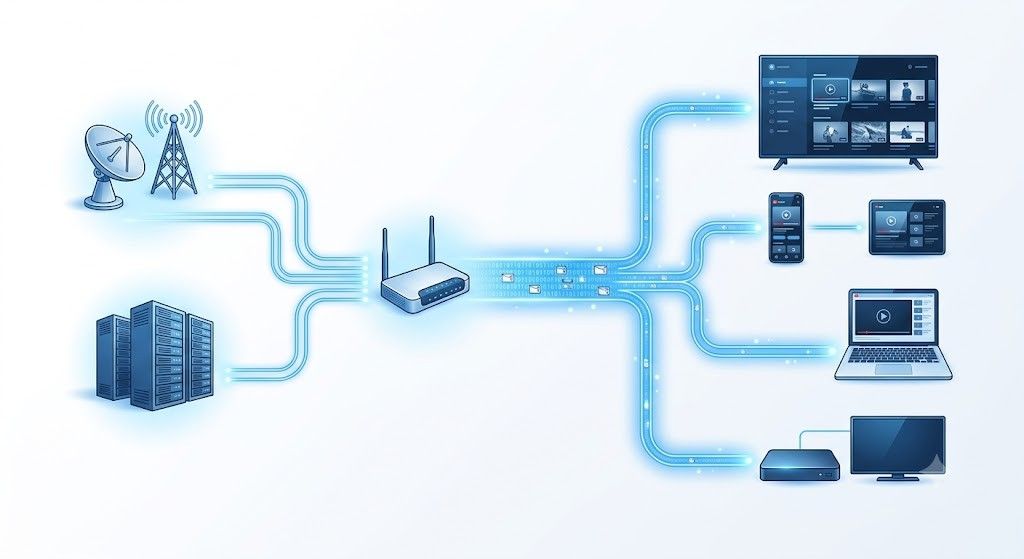
Although IPTV may seem complex, the process is straightforward once you understand the basics.
Step 1: Content Collection
Television channels, movies, and other media are collected from broadcasters or licensed content providers and prepared for digital delivery.
Step 2: Encoding and Compression
The content is encoded into digital formats and compressed to reduce bandwidth usage while maintaining video quality.
Step 3: Server Distribution
Encoded content is stored or streamed through dedicated servers that manage requests from users.
Step 4: Internet Delivery
When you choose a channel or movie, the server sends the requested content over your internet connection using Internet Protocol (IP).
Step 5: Playback on Your Device
Your iptv guide or compatible media player receives the stream and displays it on your chosen device, allowing you to watch in real time or on demand.
Key Features of IPTV
A quality iptv guide depends on a combination of technology, usability, and content. Here are some of the most important features to look for.
Extensive Channel Selection
Many iptv guide offer access to a broad selection of live TV channels, including entertainment, sports, news, kids’ programming, and international content. The exact lineup varies by provider.
Video on Demand (VOD)
A rich VOD library allows users to watch movies and TV series whenever it’s convenient, without waiting for scheduled broadcasts.
Electronic Program Guide (EPG)
An EPG provides a TV schedule, helping viewers see what’s currently playing and what’s coming up next. It also makes navigating channels much easier.
High-Definition Streaming
Many iptv guide support HD, Full HD, and even 4K streaming, depending on the source content, your internet speed, and the capabilities of your device.
Multi-Device Compatibility
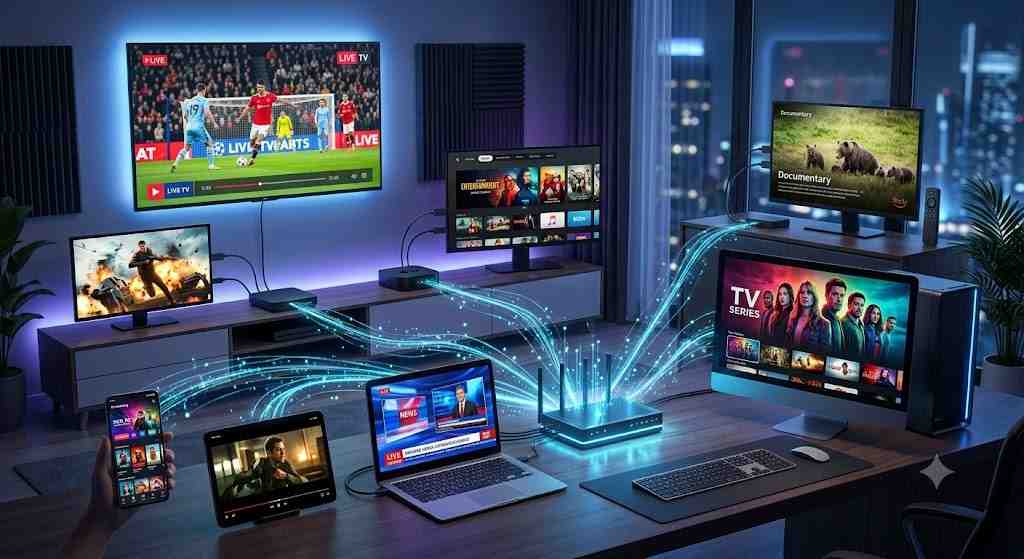
One of IPTV’s greatest strengths is flexibility. A single service may support viewing across Smart TVs, streaming devices, mobile phones, tablets, and computers.
Search and Favorites
Modern iptv guide often include search tools and the ability to save favorite channels or content for quicker access.
Catch-Up and Replay
Some iptv guide offer catch-up features, enabling viewers to watch programs they missed without needing to record them manually.
Parental Controls
Parental control options help families manage access to age-appropriate content, making IPTV safer for households with children.
Benefits of IPTV
Choosing IPTV can provide a range of advantages when compared with traditional television services.
Flexible Viewing
Watch content from almost anywhere with a stable internet connection.
Broad Device Support
Switch seamlessly between your television, smartphone, tablet, or laptop without changing your viewing habits.
Personalized Experience
Many iptv guide allow users to create favorites, customize playlists, and receive content recommendations.
High-Quality Streaming
With a reliable internet connection, iptv guide can deliver excellent picture quality, including HD and 4K where available.
Access to Diverse Content
iptv guide often combines live television, movies, series, documentaries, and international programming into a single platform.
Convenience
Instead of managing multiple entertainment sources, iptv guide can provide a centralized streaming experience through one application or interface.
Why Choosing the Right IPTV Guide Matters
Not all IPTV resources provide balanced, practical, or up-to-date information. A reliable IPTV guide helps you understand the technology, compare features objectively, and make informed decisions based on your needs.
A good guide can help you:
- Understand IPTV terminology.
- Evaluate service quality and compatibility.
- Recognize the importance of legal and licensed content.
- Avoid common setup mistakes.
- Improve streaming performance through best practices.
- Select devices and apps that match your viewing preferences.
By starting with a trustworthy guide, you’ll be better prepared to build a reliable and enjoyable IPTV setup.
How to Choose the Best IPTV Guide
An IPTV guide should help you make informed decisions—not simply recommend a service. The best guides explain the technology, compare options objectively, and provide practical advice that applies to different users and regions.
When evaluating IPTV information or services, consider these factors:
- Is the information current and accurate?
- Does it explain both benefits and limitations?
- Does it cover legal and security considerations?
- Does it recommend solutions for different budgets?
- Does it include setup instructions for beginners?
- Does it compare devices and compatibility?
A comprehensive IPTV guide should answer the questions a new user is most likely to ask before spending money or installing an application.
IPTV Buying Guide
Choosing an IPTV service involves more than comparing channel counts. Think about how you watch television and what features matter most.
1. Content Availability
Start by identifying the content you watch most often.
Ask yourself:
- Do you mainly watch live TV?
- Are sports channels your priority?
- Do you prefer movies and TV series?
- Do you need international channels?
- Do you want children’s programming?
Selecting a service that matches your viewing habits helps avoid paying for content you rarely use.
2. Streaming Quality
A good IPTV experience depends heavily on video quality.
Look for support for:
- SD
- HD
- Full HD (1080p)
- 4K (where available)
Keep in mind that higher-quality streams require faster internet speeds.
3. Reliability
One of the most important factors is consistent uptime.
Look for services that offer:
- Stable servers
- Minimal buffering
- Fast channel loading
- Regular maintenance
- Good customer reviews
Reliable performance is more valuable than an extremely large channel list.
4. Device Support
Check whether the service works on your preferred devices.
Examples include:
- Android TV
- Google TV
- Apple TV
- Fire TV
- Smart TVs
- Smartphones
- Tablets
- Windows PCs
- macOS computers
5. User Interface
A clean interface makes daily use much easier.
Look for:
- Easy navigation
- Search function
- Favorites list
- Channel categories
- Electronic Program Guide (EPG)
6. Customer Support
Good support becomes important if you experience setup or playback issues.
Quality providers typically offer:
- Email support
- Live chat
- Ticket systems
- Setup documentation
- Frequently Asked Questions
7. Trial Availability
Whenever possible, use a free or low-cost trial before committing to a longer subscription. A trial allows you to evaluate streaming quality, channel organization, app performance, and compatibility with your devices.
IPTV Selection Checklist
Use this checklist before choosing an IPTV service.
| Checklist Item | Recommended |
|---|---|
| HD or 4K support | ✅ |
| Electronic Program Guide | ✅ |
| Multi-device compatibility | ✅ |
| Stable servers | ✅ |
| Responsive customer support | ✅ |
| Catch-up TV (if needed) | ✅ |
| Video on Demand library | ✅ |
| Multiple payment options | ✅ |
| Transparent pricing | ✅ |
| Trial period | Preferred |
Expert Tips for Choosing IPTV
Professionals often evaluate IPTV services based on overall quality rather than marketing claims.
Compare More Than One Provider
Don’t subscribe to the first option you find. Compare features, pricing, compatibility, and user feedback.
Check Internet Requirements
Even the best IPTV service cannot compensate for a slow or unstable internet connection.
Prioritize Stability
Consistent streaming with fewer interruptions is generally more valuable than having an extremely large content catalog.
Read Recent Reviews
Recent user experiences can reveal improvements or issues that older reviews may not mention.
Consider Long-Term Value
Evaluate what you receive for the subscription cost, including support, updates, and available features.
Common Mistakes to Avoid
Many first-time IPTV users encounter avoidable problems.
Choosing Only by Price
The cheapest option isn’t always the best. Extremely low prices may come with limited support, fewer updates, or inconsistent performance.
Ignoring Device Compatibility
Always confirm that the service supports your preferred devices before subscribing.
Overlooking Internet Speed
Poor internet performance is a common cause of buffering and playback interruptions.
Skipping the Trial
Testing the service first can help you determine whether it meets your expectations.
Not Reading Terms and Policies
Understanding subscription terms, refund policies, and support options helps avoid misunderstandings later.
Best Features to Look For
High-Quality Streaming
Look for adaptive streaming that automatically adjusts video quality based on your internet speed.
Electronic Program Guide (EPG)
An EPG makes browsing channels easier and helps you plan your viewing schedule.
Video on Demand (VOD)
A large and regularly updated VOD library adds significant value for viewers who enjoy movies and TV series.
Catch-Up TV
Catch-up features let you watch recently aired programs without manually recording them.
Cloud Favorites
Saving favorite channels allows quick access without repeatedly searching.
Multi-Screen Support
Some services allow streaming on multiple devices, depending on the subscription plan.
Search Functionality
Fast search tools make finding channels, movies, and series much more convenient.
Subtitle Support
Subtitles improve accessibility and help multilingual audiences enjoy international content.
Multiple Audio Languages
Language options enhance the viewing experience for global users.
Regular Updates
Frequent updates often improve performance, add features, and enhance compatibility with new devices.
Device Compatibility
One of IPTV’s biggest advantages is its ability to work across many different devices.
Device Compatibility Table
| Device | Supported |
|---|---|
| Android Phones | ✅ |
| Android Tablets | ✅ |
| Android TV | ✅ |
| Google TV | ✅ |
| Smart TVs | ✅ |
| Amazon Fire TV | ✅ |
| Fire TV Stick | ✅ |
| Apple TV | ✅ |
| iPhone | ✅ |
| iPad | ✅ |
| Windows PC | ✅ |
| macOS | ✅ |
| Linux | ✅ |
| Chromecast | ✅ |
| Streaming Boxes | ✅ |
Operating System Compatibility
Most IPTV applications support:
- Android
- Android TV
- Google TV
- iOS
- iPadOS
- Windows
- macOS
- Linux
- Web browsers
Platform Compatibility
Common IPTV platforms include:
- Smart TV applications
- Streaming media players
- Mobile applications
- Desktop software
- Browser-based players
Regional Guide
Although IPTV technology is available worldwide, viewing preferences often differ by region.
United States (USA)
Users in the United States commonly look for:
- Live sports
- News channels
- Entertainment
- Local television
- Premium movie content
Popular streaming devices include Fire TV, Roku, Apple TV, and Android TV.
United Kingdom (UK)
UK viewers often prioritize:
- Local entertainment
- News
- Sports
- Children’s programming
- Catch-up television
Smart TVs and streaming boxes are especially popular.
Canada
Canadian viewers frequently seek:
- English and French content
- Sports
- International programming
- Family entertainment
Many households stream IPTV across multiple devices.
Quick Comparison Table
| Region | Popular Content | Common Devices |
|---|---|---|
| USA | Sports, Movies, News | Fire TV, Apple TV |
| UK | Sports, Entertainment | Smart TV, Android TV |
| Canada | Local + International | Smart TV, Fire TV |
| Europe | Multi-language TV | Android TV |
| Australia | Movies, Sports | Smart TV |
| Asia | Entertainment, Regional TV | Mobile, Android TV |
Pricing Guide
Subscription costs vary depending on content, features, supported devices, and subscription length. The table below provides a general overview rather than fixed market prices.
| Plan Type | Typical Duration | Estimated Price Range* | Best For |
|---|---|---|---|
| Trial | 1–7 Days | Free–Low Cost | Testing a service |
| Monthly | 1 Month | $10–$20 | New users |
| Quarterly | 3 Months | $25–$50 | Regular viewers |
| Semi-Annual | 6 Months | $45–$80 | Better value |
| Annual | 12 Months | $70–$150 | Long-term users |
*Prices vary by provider, included features, supported devices, and content availability.
When comparing plans, consider:
- Number of supported devices
- Available content
- Video quality
- Customer support
- Additional features such as catch-up TV or VOD
A slightly higher subscription cost may offer better overall value if it includes improved reliability and support.
Installation & Setup Guide
Getting started with IPTV is usually straightforward. While the exact process depends on the application and service you choose, the general steps are similar across most platforms.
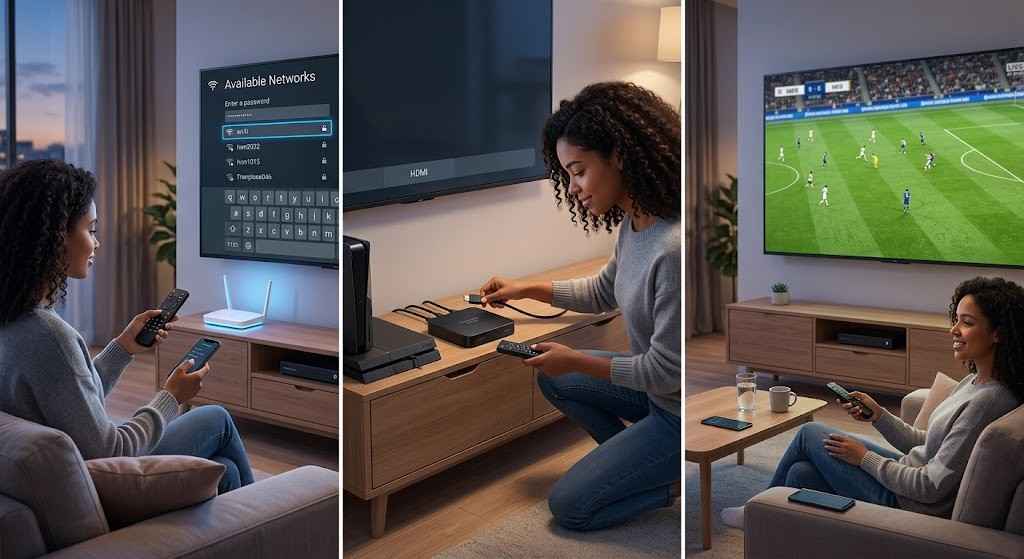
Step 1: Check Your Internet Connection
Before installing anything, ensure your connection is stable.
Recommended speeds:
- SD Streaming: 5 Mbps
- HD Streaming: 10 Mbps
- Full HD: 20 Mbps
- 4K Streaming: 30 Mbps or higher
Step 2: Choose a Compatible Device
Select the device you plan to use, such as:
- Smart TV
- Android TV box
- Fire TV device
- Apple TV
- Smartphone
- Tablet
- Computer
Step 3: Install an IPTV Player
Download and install a compatible IPTV player from the official app store or platform appropriate for your device.
Step 4: Configure the Application
Enter the login credentials or playlist information provided by your IPTV service, following the provider’s setup instructions.
Step 5: Organize Your Content
After logging in:
- Load the channel list.
- Update the Electronic Program Guide (EPG), if available.
- Create favorites.
- Customize categories for easier navigation.
Step 6: Test Playback
Play a few live channels and on-demand videos to confirm:
- Smooth playback
- Audio synchronization
- Video quality
- Stable connection
If everything works correctly, your IPTV setup is complete.
Common Problems & Solutions
Even with a reliable IPTV setup, occasional issues can occur. Fortunately, many of them are easy to resolve with a few troubleshooting steps.
1. Buffering During Playback
Possible Causes
- Slow internet connection
- Network congestion
- Weak Wi-Fi signal
- High server load
- Too many connected devices
Solutions
- Restart your router.
- Use a wired Ethernet connection whenever possible.
- Close unnecessary downloads and streaming apps.
- Lower the video quality temporarily.
- Restart the IPTV application.
2. Channels Not Loading
Possible Causes
- Temporary server maintenance
- Incorrect playlist or login details
- Expired subscription
- Internet connectivity issues
Solutions
- Refresh the playlist.
- Verify your login credentials.
- Check your internet connection.
- Contact customer support if the issue persists.
3. Audio and Video Out of Sync
Solutions
- Restart the stream.
- Update the IPTV application.
- Restart your device.
- Adjust the audio synchronization settings if supported.
4. Poor Video Quality
Possible Causes
- Slow internet speed
- Automatic quality adjustment
- Device limitations
Solutions
- Increase your internet bandwidth.
- Use a wired connection.
- Select a higher playback quality if available.
- Close background applications.
5. IPTV App Crashing
Solutions
- Update the application.
- Restart the device.
- Clear the app cache.
- Reinstall the app if necessary.
6. Electronic Program Guide (EPG) Not Updating
Solutions
- Refresh the EPG manually.
- Restart the application.
- Check your internet connection.
- Wait for the provider to update guide data.
Quick Troubleshooting Table
| Problem | Likely Cause | Recommended Fix |
|---|---|---|
| Buffering | Slow internet | Improve connection or use Ethernet |
| Channels unavailable | Playlist issue | Refresh or reload playlist |
| Login error | Incorrect credentials | Verify account details |
| Poor quality | Low bandwidth | Increase internet speed |
| App crashes | Outdated software | Update or reinstall app |
| Missing EPG | Guide not refreshed | Reload EPG data |
Safety & Best Practices
Security and privacy are important when using any internet-connected streaming platform. Following good practices can help protect your devices and personal information.
Choose Reputable Providers
Research providers before subscribing. Look for transparent pricing, responsive customer support, and clear service information.
Keep Software Updated
Install updates for:
- IPTV applications
- Smart TVs
- Streaming devices
- Mobile devices
- Operating systems
Updates often improve security, compatibility, and performance.
Protect Your Account
- Use strong, unique passwords.
- Avoid sharing account credentials.
- Enable additional security features if available.
Secure Your Home Network
Use a trusted Wi-Fi network protected with modern encryption (such as WPA2 or WPA3) and change the default router password.
Maintain Stable Internet
Reliable internet is essential for smooth IPTV streaming. If possible:
- Use fiber broadband.
- Connect via Ethernet.
- Position your Wi-Fi router centrally.
- Reduce interference from other devices.
Respect Local Laws
Content availability and broadcasting rights vary by country. Before using any IPTV service, ensure that your use complies with applicable laws and licensing requirements in your region.
Pros & Cons
IPTV Pros & Cons Comparison
| Pros | Cons |
|---|---|
| Watch content on multiple devices | Performance depends on internet quality |
| Flexible viewing from many locations | Temporary service interruptions may occur |
| Access to live TV and on-demand content | Device compatibility varies by service |
| Modern interface with useful features | Setup may require initial configuration |
| Supports HD and 4K streaming (where available) | Some advanced features depend on the provider |
| Personalized viewing experience | Internet outages affect streaming |
Best Alternatives
Depending on your needs, there are several legitimate ways to stream television and video content besides IPTV.
1. Cable Television
Best for: Users who prefer traditional channel packages and local technician support.
Advantages
- Familiar setup
- Reliable local service
- No internet required for basic viewing
2. Satellite Television
Best for: Rural areas with limited broadband availability.
Advantages
- Wide coverage
- Large channel selection
- Independent of home internet
3. Subscription Streaming Services
These services focus primarily on on-demand movies, TV shows, documentaries, and original programming.
Best for
- Binge watching
- Original series
- Family entertainment
4. Free Ad-Supported Streaming Platforms
Some platforms provide free movies, television shows, and live channels supported by advertisements.
Best for
- Casual viewers
- Budget-conscious users
Quick Comparison Table
| Option | Live TV | On-Demand | Multiple Devices | Internet Required |
|---|---|---|---|---|
| IPTV | ✔ | ✔ | ✔ | ✔ |
| Cable TV | ✔ | Limited | Limited | No |
| Satellite TV | ✔ | Limited | Limited | No |
| Streaming Services | Limited | ✔ | ✔ | ✔ |
| Free Streaming Platforms | Some | ✔ | ✔ | ✔ |
Expert Tips
Experienced users often follow these best practices to improve their streaming experience.
Use a Wired Connection
Whenever possible, connect your streaming device directly to your router using an Ethernet cable for greater stability.
Restart Devices Regularly
Restarting your router and streaming device occasionally can help maintain consistent performance.
Keep Apps Updated
Install updates promptly to benefit from new features, bug fixes, and improved compatibility.
Organize Favorite Channels
Creating favorites saves time and makes navigation much easier.
Test Your Internet Speed
Run periodic speed tests to ensure your connection is sufficient for the video quality you want to stream.
Keep Storage Available
Devices with very little free storage may experience slower performance.
Learn Keyboard Shortcuts and Remote Controls
Many IPTV applications include shortcuts that make navigation faster and more convenient.
Final Verdict
IPTV has transformed the way people access television by combining live channels, on-demand entertainment, and flexible viewing across a wide range of internet-connected devices. Whether you’re interested in sports, movies, international programming, or family entertainment, IPTV offers a modern alternative to traditional broadcasting.
However, choosing the right IPTV solution requires more than comparing channel numbers or subscription prices. Factors such as streaming quality, device compatibility, customer support, internet reliability, and compliance with local laws all play an important role in delivering a positive experience.
By following the recommendations in this IPTV guide, you can confidently evaluate services, set up your devices, troubleshoot common issues, and enjoy smoother, more reliable streaming.
As IPTV technology continues to evolve, staying informed about new features, best practices, and changing viewing trends will help you get the most value from your streaming setup for years to come.
Frequently Asked Questions (FAQs)
1. What is IPTV?
IPTV (Internet Protocol Television) is a method of delivering television content over an internet connection instead of traditional cable or satellite systems.
2. Is IPTV suitable for beginners?
Yes. Most IPTV applications are designed with user-friendly interfaces, making them accessible even for first-time users.
3. What internet speed is recommended for IPTV?
A stable connection of at least 10 Mbps is generally suitable for HD streaming, while 25–30 Mbps or higher is recommended for 4K content.
4. Can I watch IPTV on multiple devices?
Many IPTV services support multiple devices, although the number of simultaneous streams depends on the provider’s subscription terms.
5. Does IPTV work on Smart TVs?
Yes. Many Smart TVs support IPTV applications either directly or through compatible streaming devices.
6. Can I use IPTV while traveling?
In many cases, IPTV can be accessed from different locations as long as you have a compatible device and internet connection. Content availability may vary by region.
7. Does IPTV include live television?
Many IPTV services provide access to live television channels in addition to on-demand content.
8. What is Video on Demand (VOD)?
VOD allows viewers to watch movies and TV shows whenever they choose rather than following a broadcast schedule.
9. What is an Electronic Program Guide (EPG)?
An EPG displays channel schedules and program information, making it easier to browse and plan what to watch.
10. Why does IPTV buffer?
Buffering is commonly caused by slow internet speeds, Wi-Fi interference, network congestion, or temporary server issues.
11. How do I improve IPTV streaming quality?
Use a stable, high-speed internet connection, keep your software updated, and consider using a wired Ethernet connection for better stability.
12. Is IPTV available worldwide?
IPTV technology is available in many countries, but available content and services differ depending on regional licensing and local regulations.
13. Can IPTV stream HD and 4K content?
Yes. Many services support HD, Full HD, and 4K streaming, provided your device, internet connection, and the content itself support those resolutions.
14. Do I need a special device for IPTV?
Not necessarily. IPTV can work on many Smart TVs, streaming devices, smartphones, tablets, and computers.
15. How often should IPTV apps be updated?
It’s a good idea to install updates whenever they become available to improve security, compatibility, and performance.
16. Can I organize my favorite channels?
Yes. Most IPTV applications allow you to create favorites and custom channel lists.
17. What devices offer the best IPTV experience?
Android TV devices, Google TV, Apple TV, Fire TV, and modern Smart TVs are among the most popular options.
18. What should I consider before subscribing to an IPTV service?
Compare compatibility, streaming quality, customer support, pricing, available content, and trial options before making a decision.